

Japan has a remarkable ability to reinvent itself throughout the year. In spring, cherry blossoms transform parks and temple gardens into delicate shades of pink. Summer brings lush green landscapes, lively festivals and warmer days, while autumn sets the countryside ablaze with red and gold foliage. Winter reveals another side of the country, from snow-covered mountains to steaming hot springs and beautifully illuminated cities.
For travelers considering a Silversea voyage to Japan, the time of year can make a considerable difference to the experience. The same coastline, historic city or mountain backdrop can feel entirely different depending on the season. Even familiar destinations take on another character as the landscape changes and seasonal traditions come into focus.
With a variety of departure dates and itineraries available, Silversea offers opportunities to explore Japan at different times of the year. From the energy of Tokyo to the cultural heritage of Kyoto, the history of Hiroshima and the northern landscapes of Hokkaido, each destination offers another perspective on this fascinating country.
So, what does Japan look like through the seasons, and what might you discover on a voyage at different times of the year?


Japan's Changing Seasons
Spring: Japan in Bloom
For many travelers, spring is the season that first comes to mind when thinking about Japan. Between March and May, cherry blossoms, known as sakura, become one of the country’s most celebrated natural spectacles. Their arrival is eagerly anticipated each year, with flowering times varying according to location and weather conditions.
In Tokyo, parks and riverside promenades provide beautiful settings for enjoying the blossoms. Ueno Park and the Chidorigafuchi moat are among the city’s best-known viewing locations, while traditional gardens offer a quieter way to appreciate the season.
Further south, Kobe provides access to Kyoto, where historic temples, traditional wooden streets and carefully maintained gardens create an especially atmospheric backdrop. A visit to the Higashiyama district or a walk along the Philosopher’s Path can be particularly memorable during the spring flowering period.
Spring is also a wonderful time to explore Japan’s cultural heritage. Hiroshima offers an opportunity to visit the Peace Memorial Park and Museum, while Osaka combines historic landmarks with a lively contemporary atmosphere.
The important thing to remember is that cherry blossom season does not follow a fixed calendar. Flowers generally appear earlier in southern Japan and later in northern regions, while changing weather conditions can affect the dates from one year to another. Travelers hoping to see the blossoms should consider the precise itinerary and departure date rather than assume every spring voyage will coincide with peak flowering.
Summer: Green Landscapes and Festival Traditions
From June to August, Japan takes on a different character. The landscape becomes intensely green, mountainsides are covered in vegetation and the country enters a season of lively celebrations.
Summer can be hot and humid, particularly in cities such as Tokyo, Osaka and Kyoto. June is also part of the rainy season across much of Japan, although its timing and intensity vary by region. For travelers, this makes it worth considering the balance between sightseeing, weather and the destinations included in an itinerary.
There are plenty of rewards to travelling during this period, particularly for those interested in Japanese culture and seasonal traditions. Summer festivals bring streets and public spaces to life with traditional music, dancing, lanterns and fireworks. Kyoto’s famous Gion Matsuri, held throughout July, is one of the country’s best-known celebrations.
A voyage calling at Kobe can provide access to Kyoto, making it possible to explore the city’s temples, traditional neighborhoods and seasonal events, depending on the sailing dates.
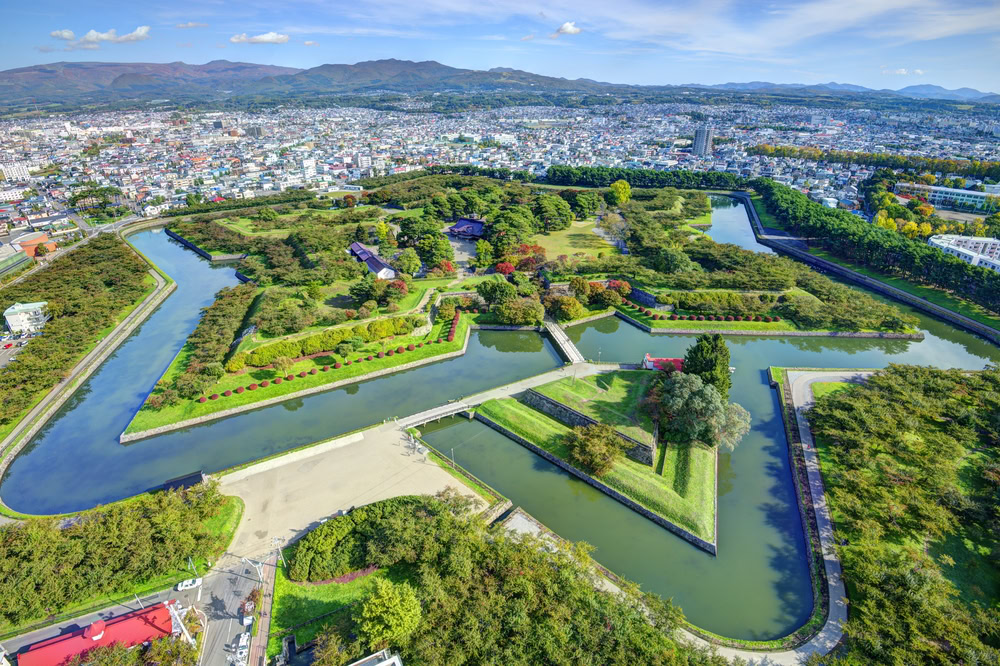
Further north, Hokkaido offers a different summer atmosphere. Hakodate, with its attractive harbor and historic buildings, is an appealing introduction to the island. The cooler northern landscapes also provide a contrast to the humidity experienced in central and southern Japan.
Other ports, including Aomori and Otaru, reveal another side of the country, with coastal scenery, regional traditions and a strong connection to local culture.
For travelers who enjoy a destination at its most animated, summer offers plenty to discover, although it is worth preparing for warmer temperatures and occasional rain.
Autumn: A Country Painted in Red and Gold
If spring is Japan’s most celebrated season, autumn has an equally compelling claim. From September through November, changing foliage transforms gardens, mountains and temple grounds into striking landscapes of red, orange and gold.
Known as koyo, autumn leaf viewing is a much-loved Japanese tradition. The transformation moves gradually through the country as temperatures fall, offering a different experience depending on where you travel and when.
Kyoto is particularly beautiful during this period. The gardens surrounding its temples and shrines become rich with autumn color, creating a striking contrast with traditional architecture. Eikando Temple and Tofukuji are among the city’s celebrated autumn viewing locations.
Kanazawa offers another perspective. Its historic districts and beautifully landscaped Kenrokuen Garden provide an elegant setting for enjoying the season. The garden is regarded as one of Japan’s most celebrated landscape gardens, with carefully arranged ponds, paths and trees that change character throughout the year.
Further north, Hakodate provides access to Hokkaido’s dramatic scenery. Mount Hakodate is known for its panoramic views, while the surrounding region offers a different atmosphere from the larger cities further south.
Autumn is also an attractive time for exploring Japan on foot, with generally more comfortable temperatures than the height of summer. However, the timing of the foliage varies considerably between regions and altitude. In northern Japan, colors can arrive earlier, while Kyoto and other central destinations often reach their peak later in the season.
For travelers considering an autumn sailing, the precise route and departure date are important. A September voyage may offer the first signs of seasonal change in some areas, rather than the full display of autumn foliage.
Winter: A Quieter, More Atmospheric Japan
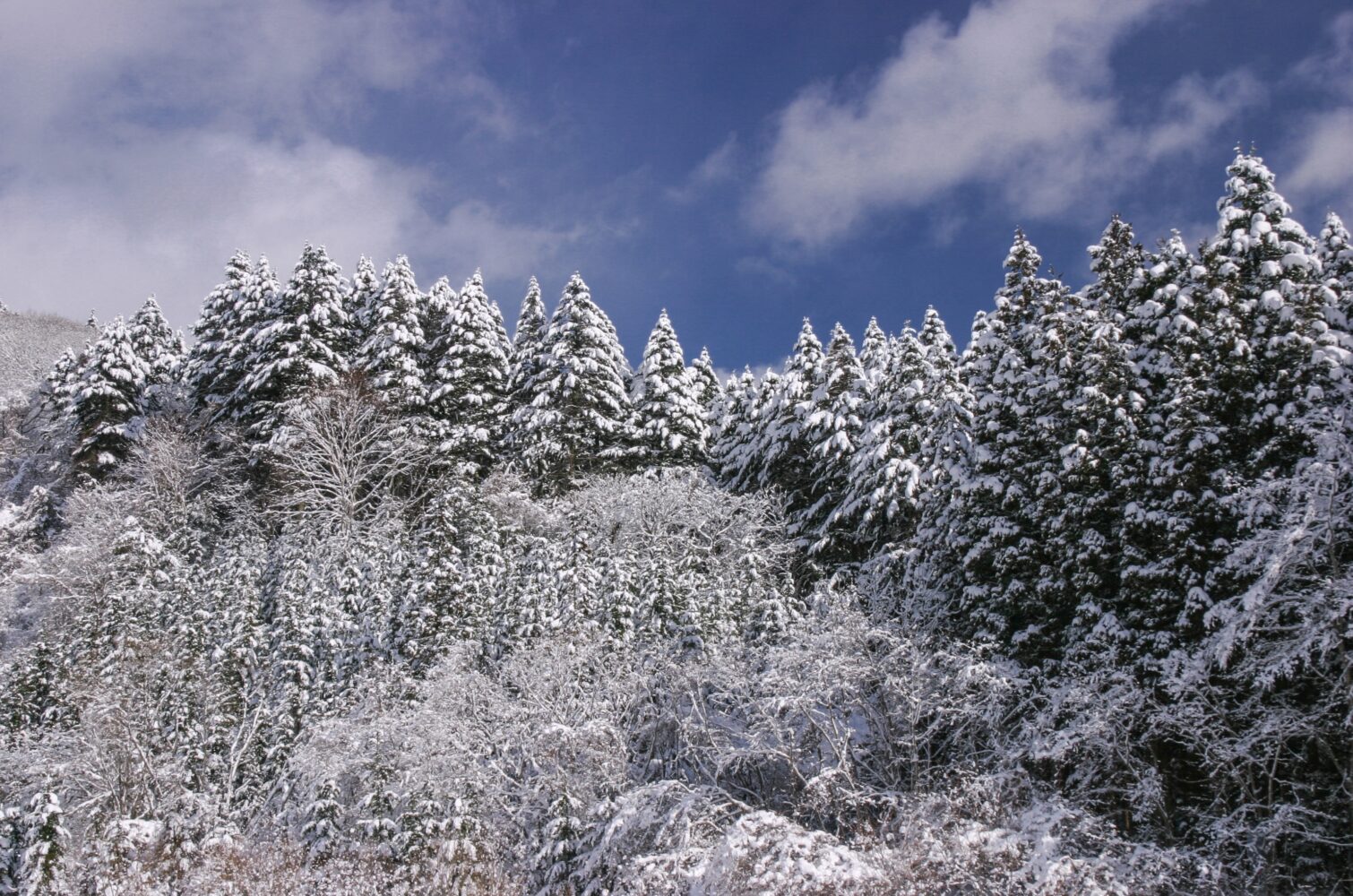
Winter reveals a side of Japan quite different from the familiar images of cherry blossoms and colorful autumn leaves. From December to February, the northern island of Hokkaido experiences substantial snowfall, while cities along the Pacific coast, including Tokyo and Osaka, often enjoy colder but comparatively dry and sunny conditions.
In Hokkaido, snow-covered landscapes create a striking setting for winter travel. Sapporo is famous for its Snow Festival, while the region’s mountain scenery and hot spring resorts offer a peaceful escape from city life.
Further south, Tokyo and Kyoto have their own winter appeal. Clear days can provide excellent views of Mount Fuji, while Kyoto’s temples and gardens take on a quieter atmosphere outside the busiest travel periods.
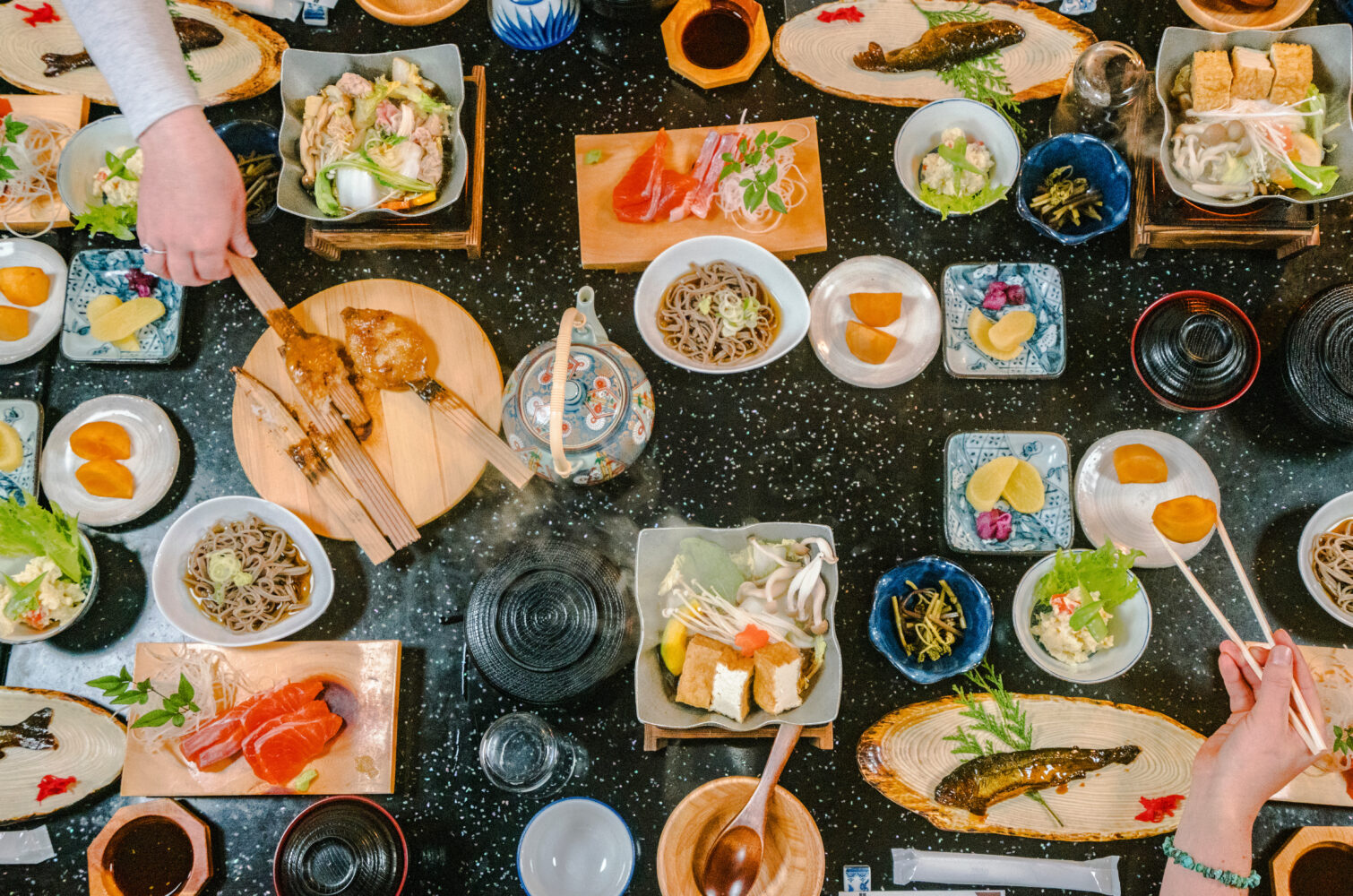
Winter also brings its own seasonal traditions, from New Year celebrations to illuminations and regional food specialities. It is an interesting time to discover a more tranquil side of the country.
For cruise travelers, winter can be considered alongside the wider choice of Silversea’s Asia itineraries and departure dates. Those particularly interested in a winter visit to Japan may also wish to consider extending their holiday with a land stay, allowing more time to explore destinations beyond the cruise ports.
Choosing Your Japan Experience with Silversea
There is no single best time to visit Japan. The right season depends on what you would most like to experience.
Spring appeals to those drawn to cherry blossoms, traditional gardens and the promise of warmer days. Summer is ideal for travelers interested in festivals, lush landscapes and exploring the northern regions. Autumn offers beautiful foliage, comfortable sightseeing conditions and wonderful opportunities to discover Japan’s historic cities. Winter reveals a quieter and often overlooked side of the country.
Silversea’s Japan program offers a variety of departure dates, routes and ports, allowing travelers to consider different ways of discovering the country. Depending on the itinerary, voyages can include well-known destinations such as Tokyo, Osaka, Kobe and Hiroshima, alongside ports such as Kanazawa, Nagasaki, Hakodate, Aomori, Otaru and Kochi.
Some itineraries also combine Japan with South Korea and other destinations in East Asia, adding another dimension to the journey.
The choice of departure date is just as important as the route itself. A late-May sailing, for example, offers a different seasonal perspective from an autumn voyage, while a journey visiting northern Japan may reveal landscapes and traditions quite different from those found further south.
On board, Silversea provides a comfortable base from which to explore, with spacious suites, personalized service and an all-inclusive approach to luxury cruising. The opportunity to discover several destinations without repeatedly changing hotels is part of the appeal of exploring Japan by sea.
Ultimately, choosing the right journey is about more than finding a convenient date. It is about deciding which version of Japan you would most like to discover. Whether that means walking beneath spring blossoms, experiencing the energy of a summer festival, admiring autumn colors around a historic temple or exploring the country’s quieter winter landscapes, Japan has something different to reveal with every change of season.
Discover Japan with Silversea
Japan rewards travelers who take the time to look beyond its famous landmarks. Its changing seasons offer different perspectives on the country, each bringing its own atmosphere, landscapes and traditions.
A Silversea voyage provides an elegant way to explore these contrasts, combining a choice of fascinating destinations with the comfort of a luxury ship. With a wide selection of itineraries and departure dates to consider, the first step is finding the journey that brings your preferred version of Japan to life.
Call us at 888-717-5074 our luxury cruise specialists, will help you explore Silversea’s Japan itineraries, compare departure dates and find a voyage that matches your travel plans.
Book Your Silversea Cruise
Frequently Asked Questions (FAQs)
Q: When is the best time to take a Silversea cruise to Japan?
A: Spring and autumn are particularly popular for their cherry blossoms and colorful foliage. Summer offers festivals and lush landscapes, while other departure periods provide different opportunities to explore Japan. The best choice depends on your preferred destinations and seasonal interests.
Q: Does Silversea offer Japan cruises in May?
A: Yes. Silversea’s Japan program includes May departures, offering opportunities to explore destinations across the country. Routes, ships and dates vary, so it is worth comparing individual itineraries.
Q: What destinations can you visit on a Silversea Japan cruise?
A: Depending on the itinerary, destinations can include Tokyo, Osaka, Kobe, Hiroshima, Nagasaki, Kanazawa, Hakodate, Aomori, Otaru and Kochi. Some voyages also visit South Korea.
Q: What is Japan like in autumn?
A: Autumn is known for koyo, the changing colors of the country’s trees. Kyoto, Kanazawa and parts of northern Japan are particularly attractive, although the timing of the foliage varies by region.
Q: Can you visit Japan in winter?
A: Yes. Winter is an excellent time to discover destinations such as Hokkaido, with its snow-covered landscapes and hot springs. Travelers can consider a land stay alongside an Asia cruise, depending on their preferred itinerary.
