

Japan has a way of making even the most seasoned traveler feel like a beginner again.
There is Tokyo, all neon and precision. Kyoto, where temple roofs rise above quiet lanes. Osaka, with its famously exuberant food scene. These are the places that tend to define a first trip to Japan—and quite rightly so.
But Japan is not only its headline acts.
Follow the coastline and another country begins to emerge: smaller cities, historic ports, mountain landscapes, fishing traditions, gardens, regional cuisine and communities that rarely appear on the classic first-time itinerary.
This is where a Regent Seven Seas Japan cruise becomes particularly interesting.
Rather than simply connecting Japan’s biggest cities, selected Regent itineraries venture along both the Pacific and Sea of Japan coasts, calling at destinations such as Hitachinaka, Sendai, Miyako, Aomori, Hakodate, Akita, Kanazawa and Sakaiminato. One 14-night Tokyo round-trip aboard Seven Seas Explorer, for example, combines Tokyo and Osaka with Beppu, Nagasaki, Sakaiminato, Kanazawa, Akita and Hakodate, alongside a call in Busan.
Suddenly, Japan looks rather different.
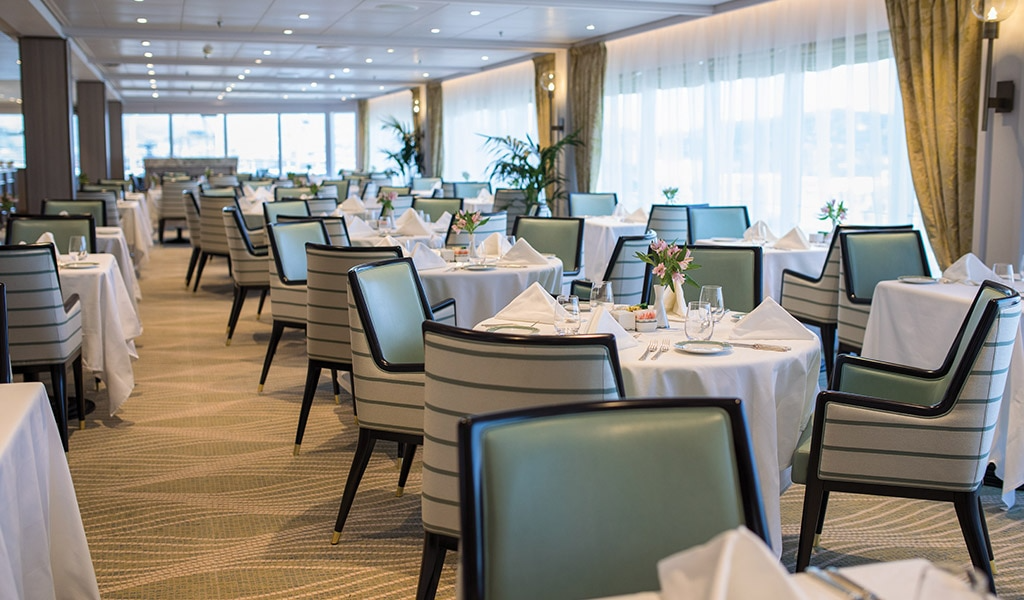
Beyond the obvious
There is nothing wrong with visiting Tokyo and Kyoto. The mistake would be assuming that they tell the whole story.
Japan is an archipelago, after all, and its relationship with the sea is fundamental to its history, cuisine and culture. Coastal travel allows you to see a more geographically diverse country, moving from one regional character to another without constantly repacking a suitcase or navigating another train station.
Regent’s current Japan itineraries make particularly good use of this geography.
The October 2027 Tokyo round trip aboard Seven Seas Explorer, for instance, heads north to Hitachinaka, Sendai and Miyako before continuing to Aomori and Hakodate, then west towards Akita, Kanazawa and Sakaiminato.
It is an itinerary that rewards curiosity.
And perhaps that is exactly what you want from Japan once you have already seen the postcard version.
Hitachinaka: an intriguing beginning
Hitachinaka may not have the instant recognition of Tokyo or Kyoto, but that is part of its appeal.
Located in Ibaraki Prefecture on Japan’s Pacific coast, the area offers access to a different side of the country, with gardens, historic sites and the wider landscapes of northeastern Japan.
It is a reminder that a luxury cruise does not have to begin with the obvious.
Sometimes the more interesting destination is the one you have not already seen a hundred times in photographs.
Sendai and the spirit of northeastern Japan
Further north comes Sendai, one of the major cities of Japan’s Tōhoku region.
For travelers interested in Japanese history, Sendai offers an opportunity to explore the legacy of Date Masamune, the powerful feudal lord whose influence shaped the region.
But the appeal of this part of Japan extends beyond history.
Tōhoku is known for its dramatic natural scenery, regional food traditions and a distinct identity that feels different from the urban centers further south.
A coastal itinerary gives you the chance to encounter that regional character without treating it as an afterthought.
Miyako: where the coastline takes center stage
Then there is Miyako.
Situated on the Sanriku Coast of Iwate Prefecture, this is the sort of destination that makes a Japan coastal cruise so compelling.
The Sanriku coastline is known for dramatic scenery, with deeply indented bays, rugged cliffs and striking ocean landscapes.
Here, the experience is less about ticking off a famous monument and more about understanding the geography of the country.
Japan’s beauty can be intensely urban, but it can also be elemental.
Sometimes the most memorable view is simply the meeting of mountains and sea.
Aomori and Japan’s northern character
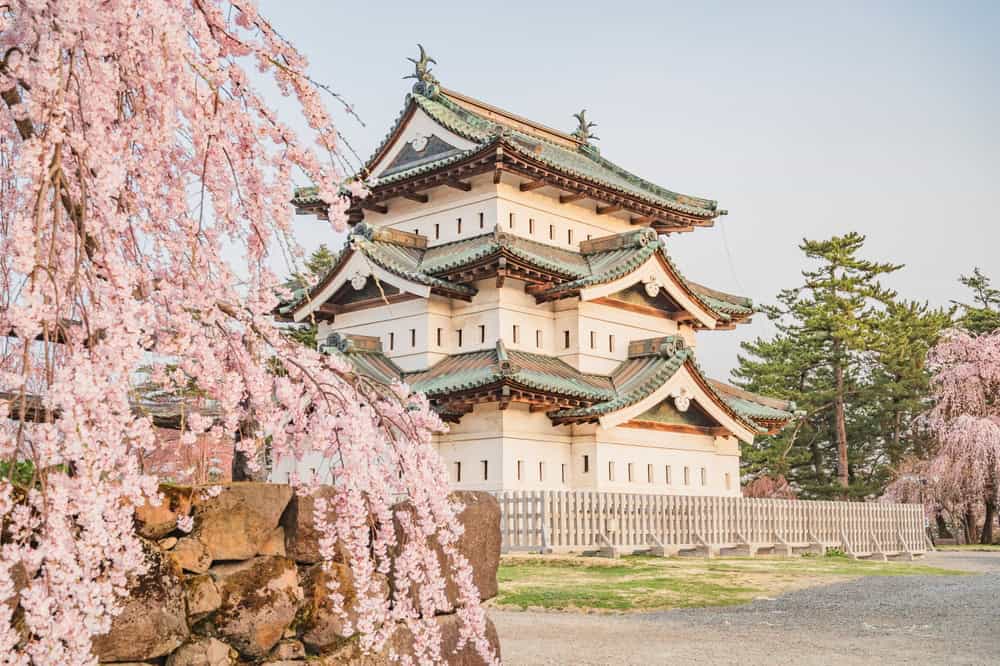
Aomori sits at the northern tip of Honshu, looking towards Hokkaido across the Tsugaru Strait.
It is a destination with a strong regional identity, famous for its apples, traditional arts and seasonal festivals. For travelers visiting in the right season, the city’s cultural traditions offer a glimpse into a Japan that feels considerably removed from Tokyo’s polished modernity.
Aomori also provides a gateway into the wider Tōhoku region.
And this is where a longer cruise becomes particularly rewarding. You are not simply visiting isolated ports; you are gradually moving through a country whose landscapes and cultural traditions evolve as you travel north.
Hakodate: a city between worlds
Hakodate: a city between worlds
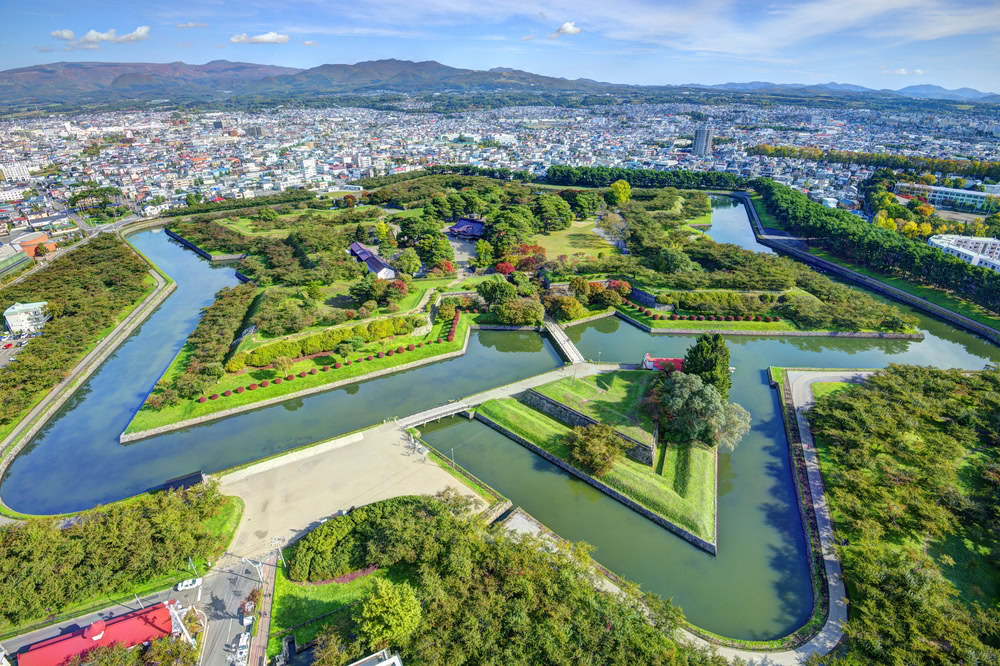
Few Japanese coastal cities have a more evocative setting than Hakodate.
Positioned in southern Hokkaido, the city has long been shaped by its relationship with international trade. Its historic districts and Western-influenced architecture reflect the period when Japan began opening more extensively to foreign commerce in the nineteenth century.
Then there is the food.
Hakodate’s seafood is a destination in itself, particularly the city’s famous morning market.
For a luxury traveler, it is exactly the kind of port that makes an itinerary feel layered. You can explore history, architecture and food in the same day—and still have time to appreciate the setting.
Akita: Japan at a gentler pace
Akita offers another shift in atmosphere.
Located on the Sea of Japan coast, the prefecture is known for traditional performing arts, regional cuisine, sake and distinctive cultural traditions.
This is not the Japan of frenetic intersections and department stores.
It is quieter, more regional and, in many ways, closer to the landscapes and traditions that have shaped everyday Japanese life.
That contrast is one of the great pleasures of travelling through Japan by sea.
Every port changes the conversation.
Kanazawa: the sophisticated detour
If there is one destination on these itineraries that deserves particular attention, it may be Kanazawa.
Sometimes described as a more intimate alternative to Kyoto, Kanazawa offers an extraordinary combination of traditional architecture, gardens, crafts and food.
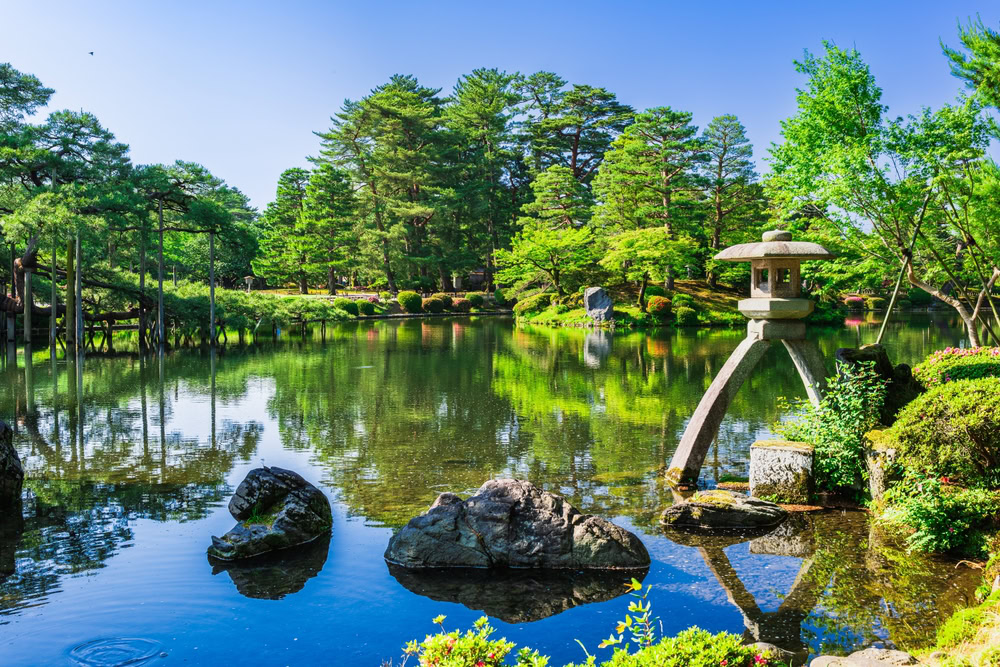
Kenrokuen, one of Japan’s most celebrated landscape gardens, is an obvious highlight. So too are the historic districts and the city’s long association with traditional arts and craftsmanship.
For travelers who love Kyoto but have already experienced its major sights, Kanazawa can feel like discovering a secret chapter.
And because it is reached by sea on selected Regent itineraries, it fits naturally into a wider exploration rather than requiring a separate journey.
Sakaiminato and the Sea of Japan
On Japan’s western coast, Sakaiminato offers yet another change of pace.
The port provides access to the wider Tottori region and is closely associated with manga artist Shigeru Mizuki. The city’s Mizuki Shigeru Road celebrates his work and the fantastical world of Japanese yōkai.
It is a delightful example of how travelling beyond the obvious cities can reveal unexpected aspects of Japanese culture.
One day you might be contemplating centuries-old gardens; the next, you are immersed in the country’s fascination with supernatural folklore and popular culture.
That variety is Japan’s great gift.
And then there is Tokyo
Of course, no discussion of a Regent Japan cruise would be complete without Tokyo.
The city is likely to be the beginning—or ending—of many Japanese voyages, and Regent also offers pre- and post-cruise land programes designed to extend the experience on shore. Current Regent programes include multi-day Tokyo experiences incorporating places such as Meiji Shrine, Ginza, Asakusa and the Imperial Palace area.
The clever part is that Tokyo can be treated not as the entire story, but as its magnificent opening or finale.
After days spent exploring Japan’s regional coastlines, returning to the energy of the capital can feel almost cinematic.
A different kind of Japan itinerary
There is another advantage to seeing Japan this way: the contrasts become more apparent.
Tokyo’s extraordinary scale feels even more remarkable after a quieter coastal town.
Kanazawa’s craftsmanship feels different when placed alongside the modernity of Osaka.
Hokkaido’s northern atmosphere contrasts beautifully with the subtropical landscapes further south.
And the journey itself creates a sense of continuity that can be difficult to achieve when travelling independently between cities.
Regent’s current Japan program extends beyond a single route, with itineraries also connecting destinations such as Shimizu, Nagoya, Kochi, Hiroshima, Kagoshima and Nagasaki. A 12-night Tokyo-to-Seoul voyage in April 2027, for example, visits all of these Japanese ports before continuing to Jeju and Seoul.
This is Japan as a series of regional stories rather than one grand itinerary.
Why see Japan by sea?
There is something especially appealing about exploring an island nation from the water.
The coastline becomes part of the experience rather than simply the boundary around it.
You wake in one region and go to sleep knowing that tomorrow will bring another.
And because Regent includes unlimited shore excursions, specialty dining, beverages, Wi-Fi, gratuities, valet laundry and 24-hour in-suite dining in its all-inclusive cruise experience, the practical side of moving between destinations is considerably simplified.
That leaves more room for the enjoyable part.
You can spend the morning exploring a Japanese garden, return to the ship for lunch, and watch the coastline disappear as you sail towards somewhere entirely new.
It is an elegant way to travel through a country that rewards taking your time.
The Japan beyond the postcard
Perhaps the greatest pleasure of a Regent Seven Seas Japan cruise is that it changes your sense of what Japan is.
Yes, there are temples.
Yes, there are extraordinary cities.
Yes, there is spectacular food.
But there are also rugged coastlines, regional traditions, northern landscapes, historic trading ports and places whose names may not have been on your original wish list.
For the experienced traveler, that may be the most exciting discovery of all.
Because once you have seen Japan’s famous side, the question becomes rather irresistible:
What else is there?
Regent’s coastal itineraries offer one very beautiful answer.
Ready to see Japan from a different perspective?
If Japan has been on your travel wish list, perhaps it is time to look beyond the usual route.
Call us at 888-717-5074 and let our luxury cruise specialists help you explore Regent Seven Seas’ Japan itineraries, from Tokyo and Kanazawa to Hakodate, Aomori and the lesser-known coastal destinations in between.
Book Your regent-seven-seas-Cruise
Frequently Asked Questions (FAQs)
Q: Does Regent Seven Seas offer cruises around Japan?
A: Yes. Regent currently offers multiple Japan itineraries, including Tokyo round trips and voyages linking Japan with South Korea and other Asian destinations.
Q: Which Japanese destinations does Regent visit?
A: Depending on the itinerary, Regent’s current program includes Tokyo, Osaka, Beppu, Nagasaki, Sakaiminato, Kanazawa, Akita, Hakodate, Aomori, Sendai, Miyako, Hitachinaka, Shimizu, Nagoya, Kochi, Hiroshima and Kagoshima, among others.
Q: Does Regent visit Japan outside Tokyo and Kyoto?
A: Absolutely. One of the strengths of its current program is the range of regional ports, including destinations on both the Pacific and Sea of Japan coasts. Kyoto access is also available through selected ports and itineraries, including Kobe.
Q: Are excursions included on Regent’s Japan cruises?
A: Regent currently includes unlimited shore excursions in its all-inclusive cruise experience, although the specific excursions available depend on the itinerary and port.
Q: When is a good time to cruise around Japan?
A: The ideal timing depends on what you want to experience. Spring is particularly attractive for travelers interested in cherry blossoms, while autumn can offer colorful foliage and generally appealing conditions. Regent’s current Japan program includes spring and autumn sailings, among other dates.
Q: Can I combine a Regent Japan cruise with time in Tokyo?
A: Yes. Regent offers pre- and post-cruise land programs in Tokyo on selected voyages, allowing travelers to extend their Japanese experience before or after sailing.
Q: Why choose a luxury cruise to see Japan?
A: A cruise allows you to experience multiple regions without repeatedly changing hotels or arranging intercity transfers. With Regent’s all-inclusive onboard experience and included shore excursions, it can also make a multi-destination Japan journey particularly seamless.
