
The pleasures of a luxury cruise are often found in the details. A perfectly flaky croissant with the morning coffee, a delicate tart enjoyed after lunch or a beautifully presented dessert that brings dinner to a satisfying close can become some of the most memorable moments of a voyage.
These small indulgences rarely happen by accident. Behind every pastry that looks as good as it tastes is a combination of technical skill, carefully judged ingredients and a considerable amount of practice.
That is where the Oceania Cruises Floating Pastry Academy comes in. Announced in March 2026, the initiative is a three-year training program developed with The Butter Book, a specialist digital pastry and baking education platform. More than 200 of Oceania’s pastry and bakery chefs are expected to take part, combining online learning with practical assessments on board.
For guests, the significance is straightforward: Oceania is investing in the people responsible for some of the most tempting parts of its culinary offering. The aim is to strengthen the quality, consistency and artistry of the pastries and baked goods served throughout the fleet.
It is an interesting development for a cruise line whose reputation is closely tied to dining. And while the academy operates behind the scenes, its ambitions reach all the way to the guest experience.
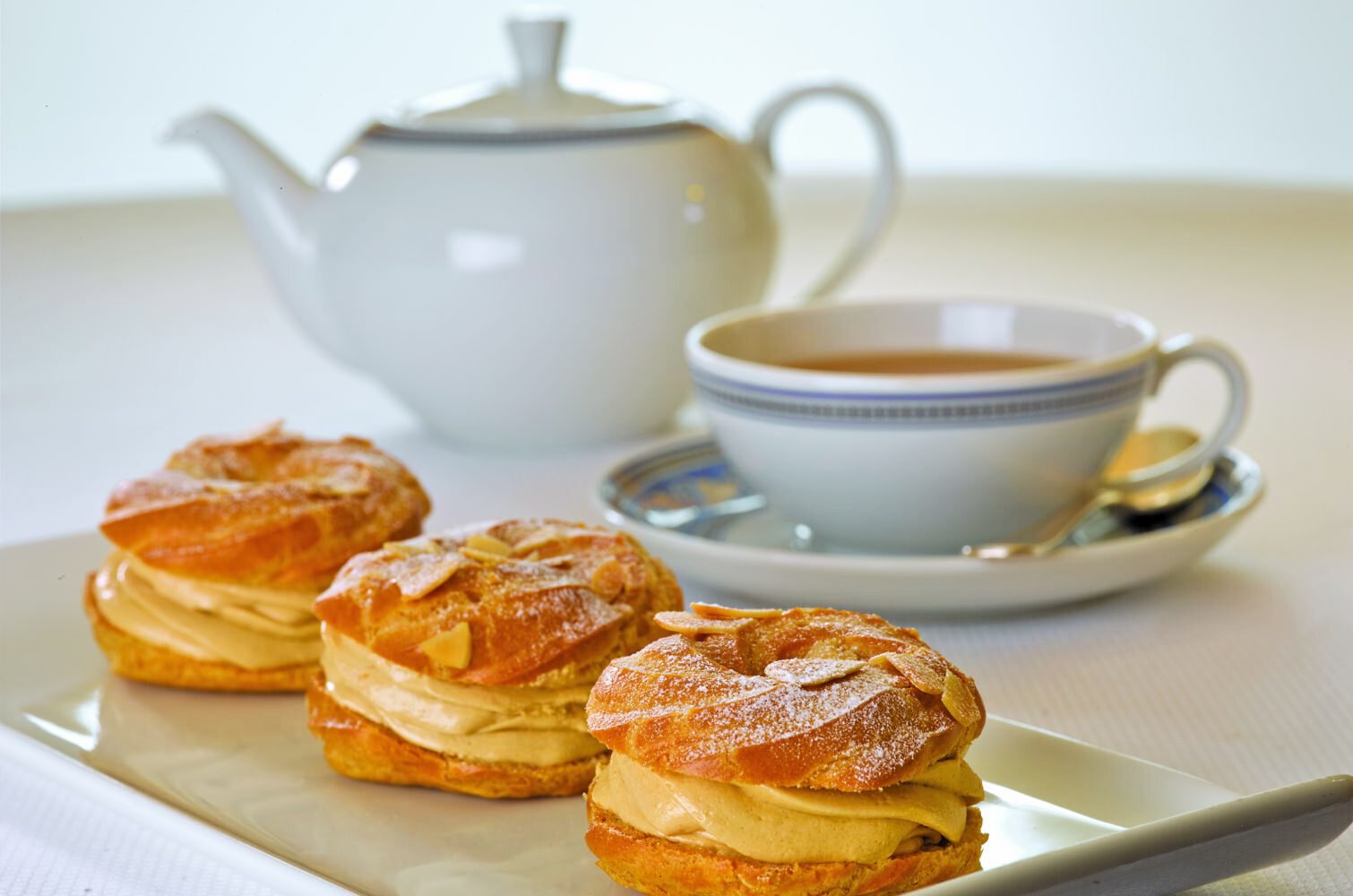
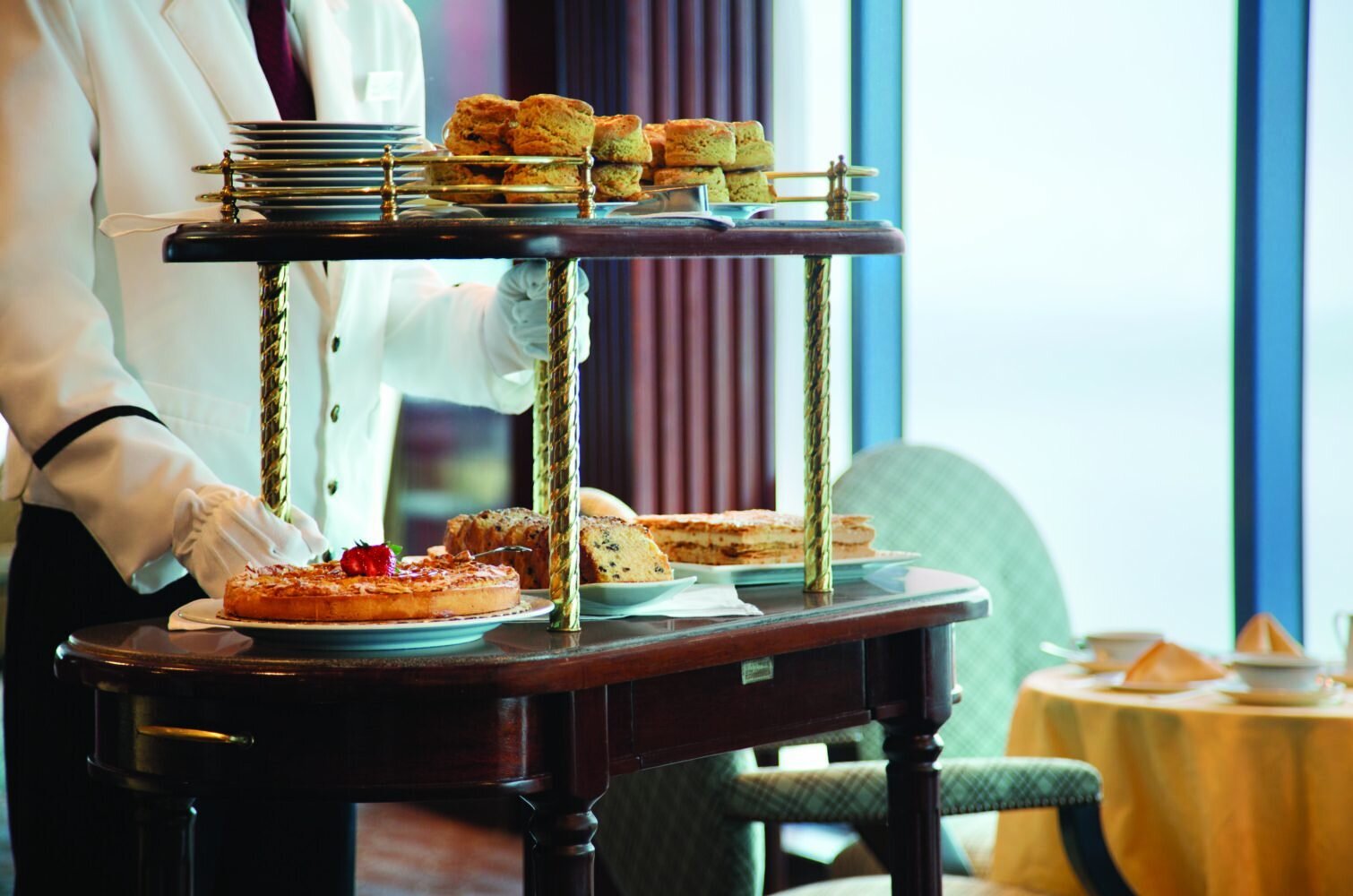
The Floating Pastry Academy: A New Chapter in Culinary Excellence
Ask travelers what they remember about a holiday and the answers often go beyond the headline attractions. It might be a long lunch overlooking the Mediterranean, a particularly good meal in a favorite restaurant or the pleasure of starting the day slowly with coffee and something freshly baked.
On a cruise, these moments have an added dimension. The ship is not simply a means of travelling between destinations; it is also where guests spend their mornings, afternoons and evenings. Dining becomes part of the rhythm of the journey.
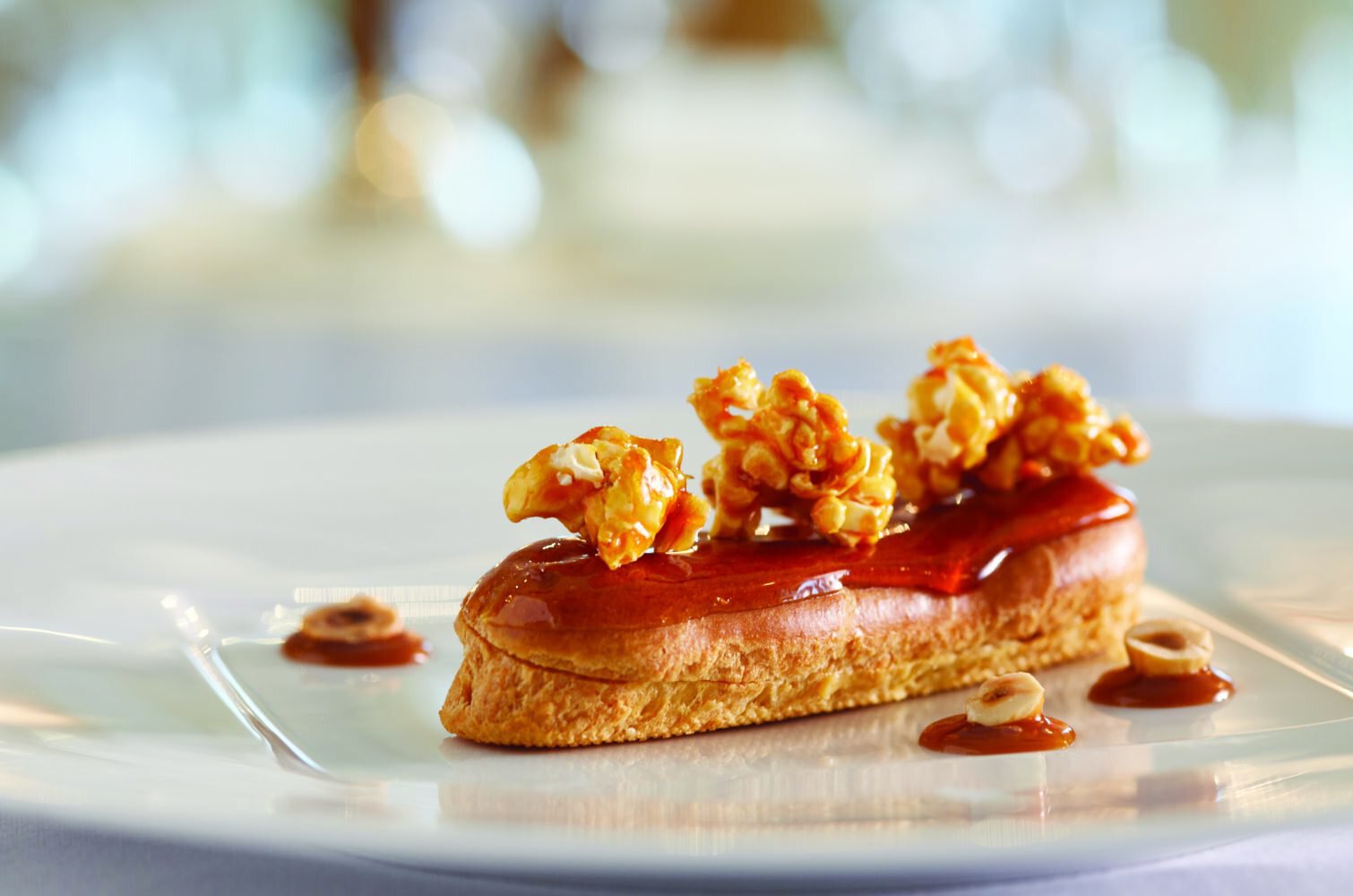
Pastry plays a role at almost every point in that rhythm. Breakfast might begin with a buttery croissant, while an afternoon pause calls for a small cake or sweet treat. At dinner, dessert offers a final opportunity for the culinary team to make an impression.
The quality of these dishes depends on more than an attractive presentation. Pastry is a discipline in which precision matters enormously. Temperature, timing, texture and technique can determine whether a croissant has the right delicate layers or a dessert delivers the balance of crispness, creaminess and sweetness its creator intended.
By investing in specialist training, Oceania is addressing the craft behind these everyday pleasures. For guests, that is a meaningful part of what a culinary-focused luxury cruise should deliver.
What is the Floating Pastry Academy?
The academy is a structured professional development program for Oceania Cruises’ pastry and bakery teams, created in collaboration with The Butter Book.
Rather than relying solely on traditional onboard training, the initiative combines chef-led digital instruction with practical assessments. Its curriculum includes learning pathways tailored to different pastry and bakery roles, foundational training for new team members and opportunities to develop more specialized skills.
Progression is supported by assessments and certification at different stages. The intention is to establish a consistent framework for developing culinary talent across the fleet while allowing chefs to refine their individual expertise.
The program was developed by Oceania Executive Culinary Director Chef Eric Barale and Chef Sébastien Canonne, founder of The Butter Book and a recipient of the prestigious Meilleur Ouvrier de France distinction.
That expertise matters because pastry is both a science and an art. Classical French techniques provide a foundation, but producing refined results in a busy shipboard kitchen also requires discipline, teamwork and the ability to maintain standards day after day.
For travelers, the academy is not a scheduled onboard activity or a new restaurant. It is an investment in the kitchen teams whose work contributes to the experience guests enjoy throughout their sailing.
The guest benefit: greater consistency, day after day
One of the most valuable potential benefits of a structured training program is consistency.
When guests book a luxury cruise, they expect a high standard of service and cuisine throughout their journey. A breakfast pastry should be appealing on a sea day just as it is when the ship is preparing to enter port. Desserts should receive the same attention to detail whether guests are dining early or later in the evening.
Maintaining those standards across a fleet is a considerable undertaking. Different teams work in different kitchens, serving guests with varying schedules and preferences. A common framework for professional development can help establish shared techniques and expectations.
That does not mean every pastry will be identical or that every dish will change overnight. Rather, Oceania’s investment is designed to give its chefs a stronger foundation for producing refined results reliably.
For guests, that could translate into more confidence in the small details: the texture of a pastry, the finish of a plated dessert and the overall quality of the baked goods available during the voyage.
It is an understated form of luxury, but an important one. Exceptional experiences are often built on standards that are maintained quietly, rather than announced with fanfare.
From the breakfast table to the final course
The academy’s potential influence extends beyond the elaborate desserts that tend to attract the most attention in photographs.
Breakfast is an obvious place to appreciate good pastry. A croissant with crisp outer layers and a tender center can turn an ordinary morning into something to savor. The same is true of well-made breads and other baked goods, where technique has a direct bearing on texture and flavor.
Later in the day, pastries offer a welcome pause between excursions, leisurely lunches and time spent enjoying the ship. A small sweet treat with coffee can become a pleasant ritual, particularly on a longer voyage when guests settle into their own routines.
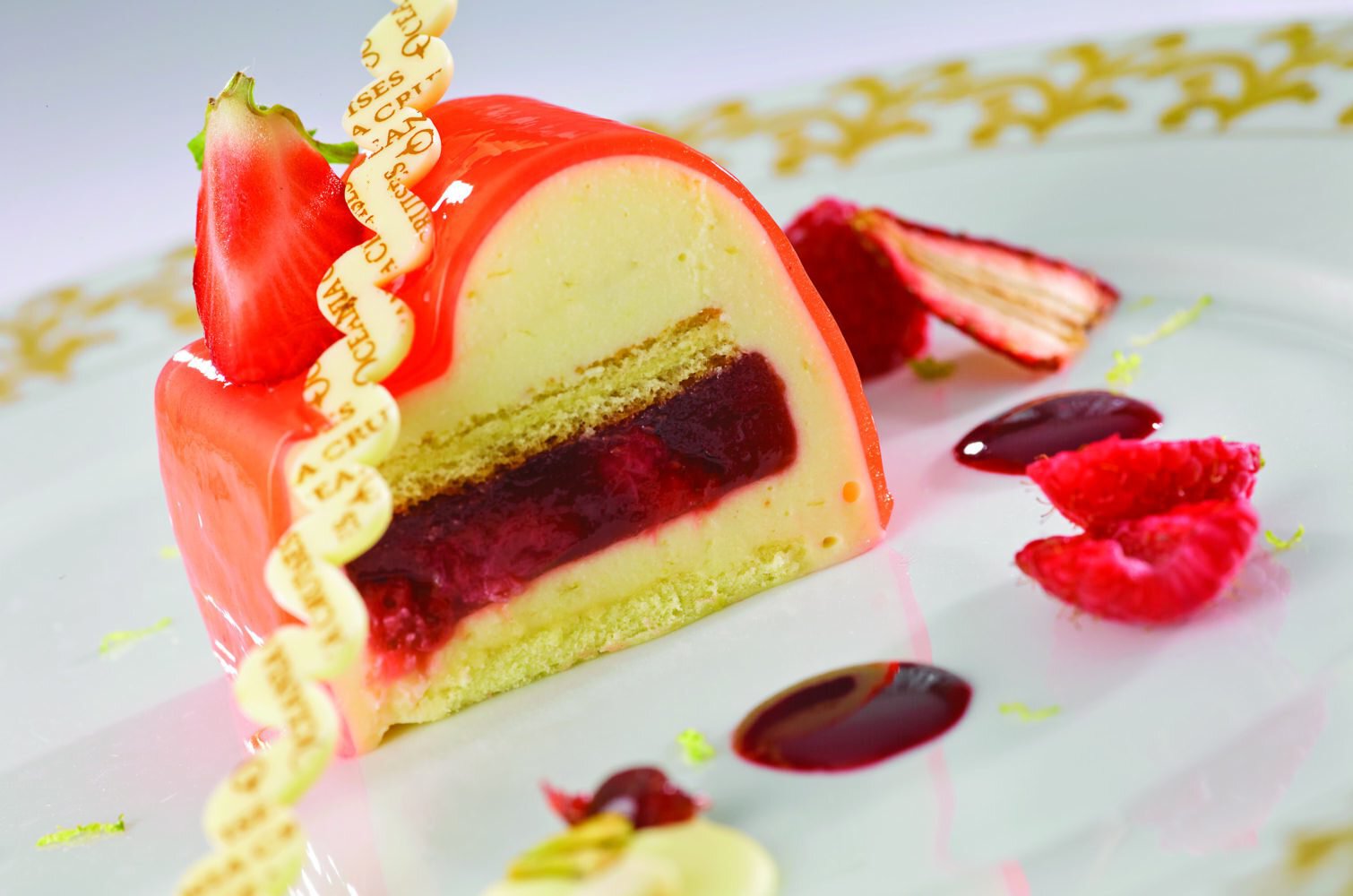
Dessert, meanwhile, gives the pastry team an opportunity to bring greater visual flair to the dining experience. Classical pâtisserie techniques can provide the foundations for carefully constructed desserts, balanced flavors and elegant presentation.
French craftsmanship, with an eye on the future
French pastry traditions have had an enduring influence on fine dining, from laminated doughs and delicate tarts to elaborate chocolate work and carefully composed desserts.
These techniques demand patience and precision. A successful result may look effortless, but it can involve numerous stages, each requiring the right timing and attention.
Oceania’s partnership with The Butter Book places this kind of structured learning at the center of its approach to pastry. It also reflects a wider commitment to developing culinary talent rather than relying on reputation alone.
The academy complements the line’s continued investment in French culinary heritage, including La Table par Maîtres Cuisiniers de France, a restaurant concept scheduled to debut aboard Oceania Sonata in 2027.
For guests interested in food, the appeal is not simply that a cruise line can point to a prestigious partnership. It is whether that commitment becomes apparent in the quality of the experience itself.
That is the distinction worth watching. Training is the foundation; the guest’s experience at the table is where its value ultimately needs to be felt.
A culinary detail that suits destination-rich travel
Oceania’s culinary identity is closely connected with the destinations its ships visit. A voyage might take guests from the markets and waterfront restaurants of Barcelona to the historic streets of Rome, or introduce them to the food traditions of Bordeaux and the wider French wine region.
These destinations each have their own culinary stories, from regional baking traditions to celebrated patisserie shops. For travelers who enjoy discovering a place through its food, the dining experience on board provides a natural complement to the flavors encountered ashore.
A Mediterranean voyage, for example, might bring memorable meals in port, followed by the pleasure of returning to the ship for breakfast, afternoon refreshments or dinner. These moments are part of the wider experience of travelling with Oceania, where dining is an important element of the journey.
The Floating Pastry Academy adds another dimension to this culinary approach. By investing in the training and development of its pastry and bakery chefs, Oceania is focusing on the craftsmanship behind the baked goods and desserts guests enjoy on board.
Ultimately, the value of that investment will be reflected in the details: the texture of a perfectly baked croissant, the balance of a dessert or the pleasure of a well-made pastry enjoyed between destinations. Small details can leave a lasting impression, becoming part of what makes a cruise memorable.
Planning an Oceania Cruises holiday?
Call us at 888-717-5074 to discuss Oceania Cruises itineraries and compare destinations, sailing dates and ships. At Cruise Unique, we can help you find a voyage that suits your travel plans and the onboard experience you value.
Book Your Oceania Cruise
Frequently Asked Questions (FAQs)
Q: What is Oceania Cruises’ Floating Pastry Academy?
A: It is a three-year professional training program for Oceania Cruises’ pastry and bakery chefs, developed in partnership with The Butter Book. It combines digital learning with practical assessments on board.
Q: Can guests take classes at the Floating Pastry Academy?
A: The announced program is designed to train Oceania’s onboard culinary professionals. It has not been announced as a guest-facing pastry school or passenger class.
Q: How will the academy benefit guests?
A: The program aims to strengthen the technical skills, consistency and craftsmanship of Oceania’s pastry and bakery teams. Guests may experience the benefits through the quality of baked goods, pastries and desserts served on board over time.
Q: Who is behind the Floating Pastry Academy?
A: The initiative was developed by Chef Eric Barale, Oceania Cruises’ Executive Culinary Director, and Chef Sébastien Canonne, founder of The Butter Book and a recipient of the Meilleur Ouvrier de France distinction.
Q: Is the Floating Pastry Academy available on every Oceania ship?
A: The program is intended to develop more than 200 pastry and bakery chefs across the fleet. Oceania’s announcement does not provide a ship-by-ship schedule for training or specific guest-facing changes.
