

There’s a pleasing logic to river travel: the ship is intimate, the towns drift by like theatre sets and your day is punctuated by shore excursions, café lunches, and—often—the gentle persuasion of the water beneath you. But what most travelers don’t see is how the river itself quietly co-authors your day. On an AmaWaterways cruise, river currents and cruise itineraries are not just background science; they’re a practical reason your captain might nudge an itinerary, change a docking order, or offer an extra dawn walk ashore when the tides are right.
Rivers are living things. Seasonal rains, snowmelt, droughts, tidal influence, and even short-term weather events change how much water flows through a channel and how fast it moves. Alpine-fed rivers such as the Danube and Rhine respond to melt and rainfall further upriver, while rivers like the Douro are influenced by seasonal water levels and tight lock systems, and the Mekong reflects tidal swings and monsoon patterns. Strong currents can speed a morning’s cruising (perfect for a relaxed breakfast on deck) or slow a passage, prompting changes such as later arrival at a port, an alternative docking location, or an adjusted schedule for guided tours. Nautical authorities and river lines monitor these conditions continuously and plan for flexibility, ensuring your AmaWaterways itinerary runs smoothly.


Why AmaWaterways is prepared (and why that matters to you)
AmaWaterways runs routes across Europe, the Douro in Portugal, the Mekong in Southeast Asia and beyond, and their operation teams keep eyes on river gauges, weather models and local notices to navigators. When rivers are low or unusually high, river operators deploy contingency plans: using sister ships in opposite directions, swapping embark/disembark ports, adding coach transfers for parts of the route, or offering enhanced onshore programming so guests still have a full, luxurious experience. That nimbleness is how river lines have been able to adapt to recent extreme events and maintain service continuity.
What you’ll notice on board (and how to read the signs)
If you’re an early riser, you may spot the practical signs first: the captain on the sun deck scanning charts, crew adjusting lines, or the expedition host announcing a minor itinerary tweak. Sometimes it’s subtle—a later return to ship after a city tour so the ship can wait for a safer passage through a lock. Other times it’s generous: when the current favors a slow, golden morning drift, the ship might linger upstream of a photogenic village so you can stroll in softer light before crowds arrive. Treat these moments as the river’s hospitality—part of what makes a river cruise different from a sea cruise.
Destinations where currents most often shape the schedule
Danube (Vienna–Budapest–Bratislava): Alpine melt and rainfall upstream influence flows—so schedules in spring and early summer can flex.
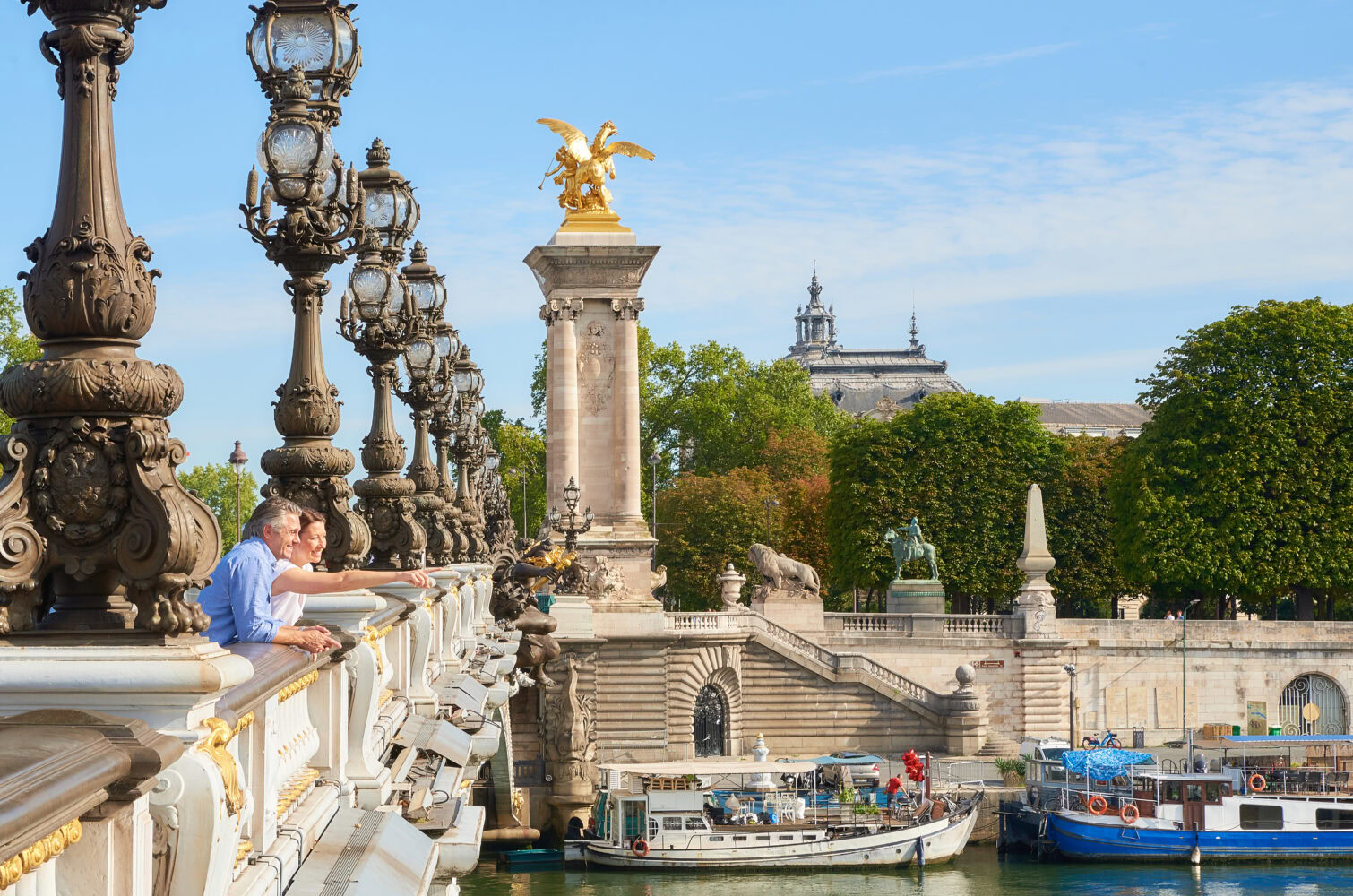
Rhine (Amsterdam to Basel): The Rhine’s shipping traffic and variable levels mean captains coordinate closely with river authorities; sometimes shuttle transfers supplement planned calls.
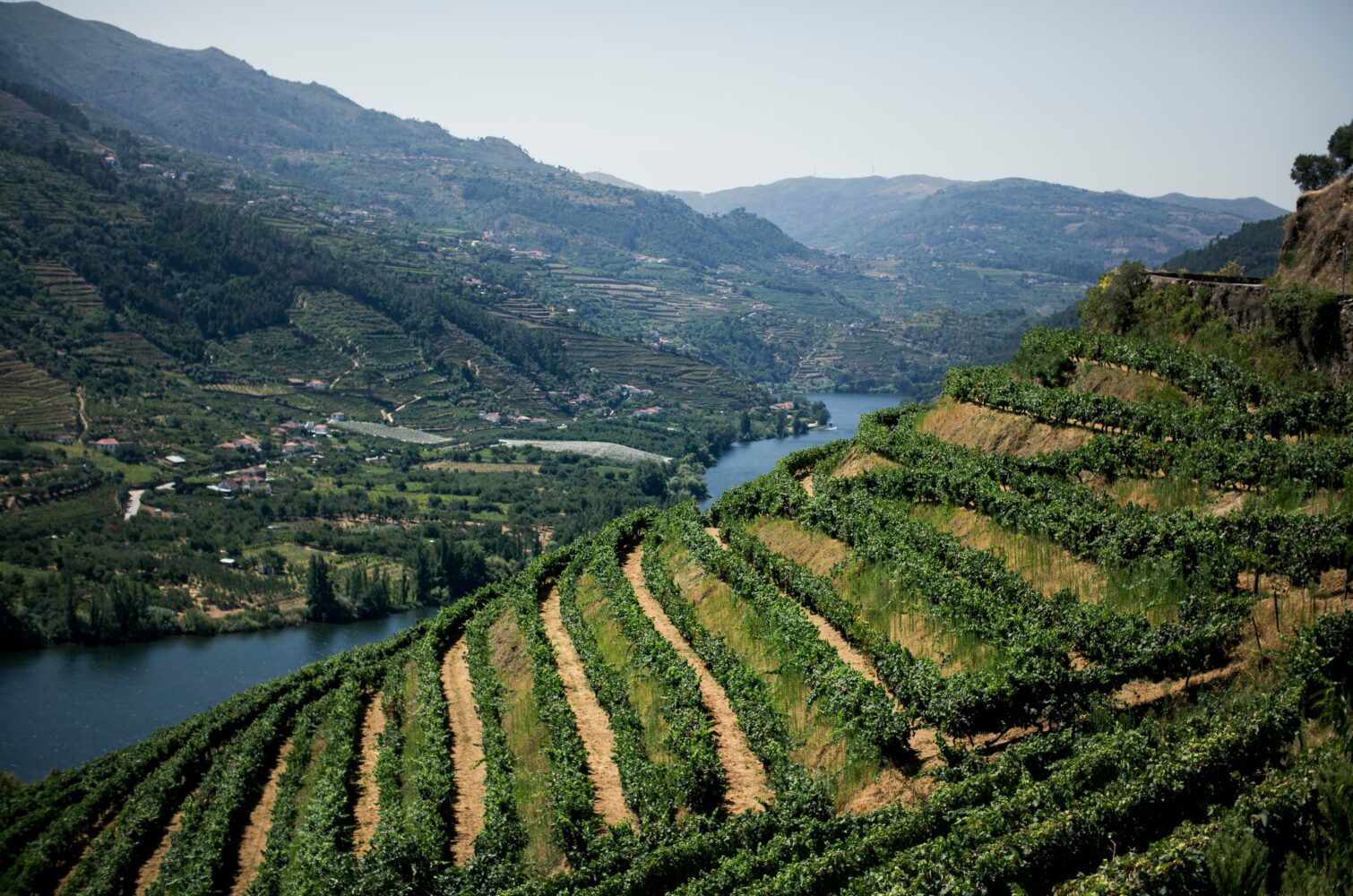
Douro (Portugal): A dramatic, terraced river with tight locks—low water levels can require coach transfers or alternate docking; AmaWaterways runs several Douro itineraries and plans for these eventualities.
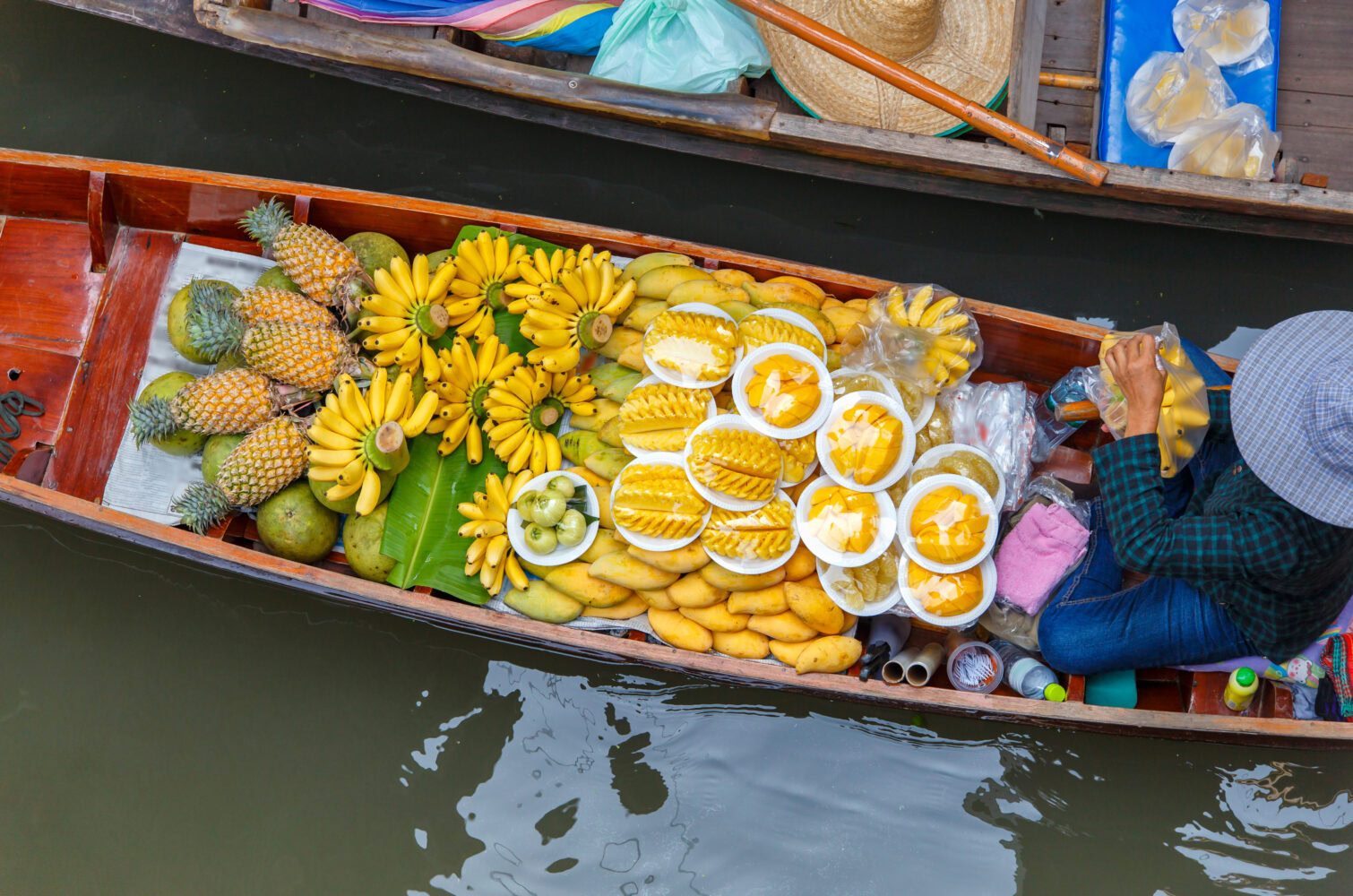
Mekong (Vietnam & Cambodia): Tidal influence and seasonal monsoon swings alter river depth and the profile of floating markets; expect locally informed adjustments.
How AmaWaterways turns river logistics into guest perks
Luxury river lines make flexibility feel intentional, not reactive. If water levels mean a missed scheduled port, expect a curated alternative: a private tasting at a winery inland, an exclusive walking tour, or a longer stay in a favored city the following day. Lines like AmaWaterways emphasize personalized shore programming, and their “heart of the river” approach often converts a navigational hiccup into a memorable local encounter. Recent seasons have shown this adaptability in practice—operators have used ship swaps and enhanced land transfers to keep guests on rich itineraries even during droughts or floods.
Practical tips to make the river your ally
- Pack for flexibility. A daypack with layers, a compact umbrella and comfortable walking shoes will let you enjoy unexpected town walks or longer coach transfers.
- Be on alert for announcements. Captains and cruise directors will explain changes and why they happen—these briefings are both practical and interesting.
- Choose shoulder seasons with awareness. Spring and autumn offer gorgeous light and fewer crowds, but they also come with variable flows. Summer has long days but can bring low-water risks in drought years.
- Insurance and peace of mind. Read the cruise’s contingency policies and consider travel insurance that covers itinerary changes caused by natural events.
A luxury perspective: why this is part of the experience
If you love hairline details and thoughtfully arranged days, river cruising’s responsiveness is a feature, not a bug. You’re close enough to the rhythm of the water to feel it in the timbre of the day; you’ll savor spontaneous detours—wine tastings in Douro quintas, dawn markets along the Mekong, a twilight concert in Vienna—because the ship and crew can move with the river, not against it. That agility is a core ingredient in AmaWaterways’ offering.
Ready to discover the rhythm of the river on your AmaWaterways cruise?
Call us now at 888-717-5074 to speak to a river-cruise specialist and tailor an AmaWaterways journey that embraces both luxury and the river’s rhythm.
Frequently Asked Questions (FAQs)
Q: Can a river cruise be cancelled because of low or high water?
A: Operators rarely cancel entire cruises. More commonly they alter a day’s plan: ship swaps, coach transfers, or alternative port calls keep the voyage running while preserving the guest experience. Check your line’s specific contingency clauses.
Q: Will I know in advance if my itinerary will change?
A: Many changes are made as conditions evolve; the cruise team will inform guests as soon as practical. Before departure you can also ask your travel advisor about historical water-level patterns for your chosen river.
Q: Are some rivers riskier than others for disruptions?
A: Rivers with strong tidal influence or those reliant on seasonal melt (like the Danube or Mekong) show more variability. But operators plan routes and seasons with these patterns in mind.
Q: How do currents affect time spent ashore?
A: Currents can change arrival or departure times, which may shift the schedule for guided tours. Often, shore programs are re-sequenced rather than cancelled so you still get rich local experiences.
