

There’s a particular magic to Germany when viewed from the water. Vineyards ripple down steep hillsides, medieval towns appear like stage sets, and castles crown nearly every bend of the river. But to truly understand the country, you need to taste it—glass by glass, region by region.
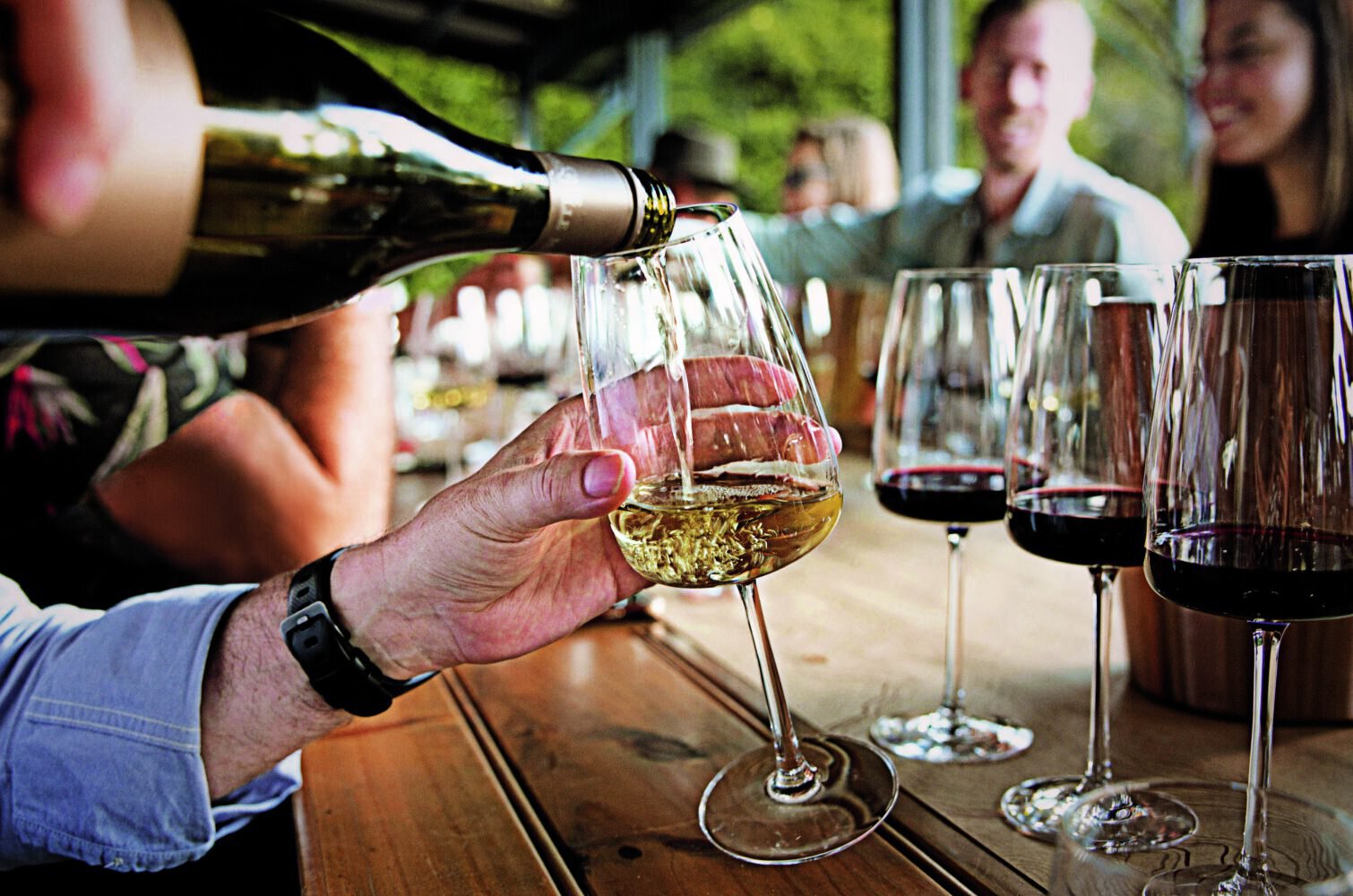
That’s where AmaWaterways excels. Their wine-focused journeys don’t just pass through Germany’s most celebrated terroirs—they immerse you in them, pairing vineyard visits, expert-led tastings, and curated culinary experiences with slow, scenic sailing.
If you’re planning a luxury escape—or crafting content for discerning travelers—these are the best wine regions in Germany to know, sip, and savor.
The Best Wine Regions in Germany, by River and by Glass
The Rhine Valley: Germany’s Grand Cru Corridor
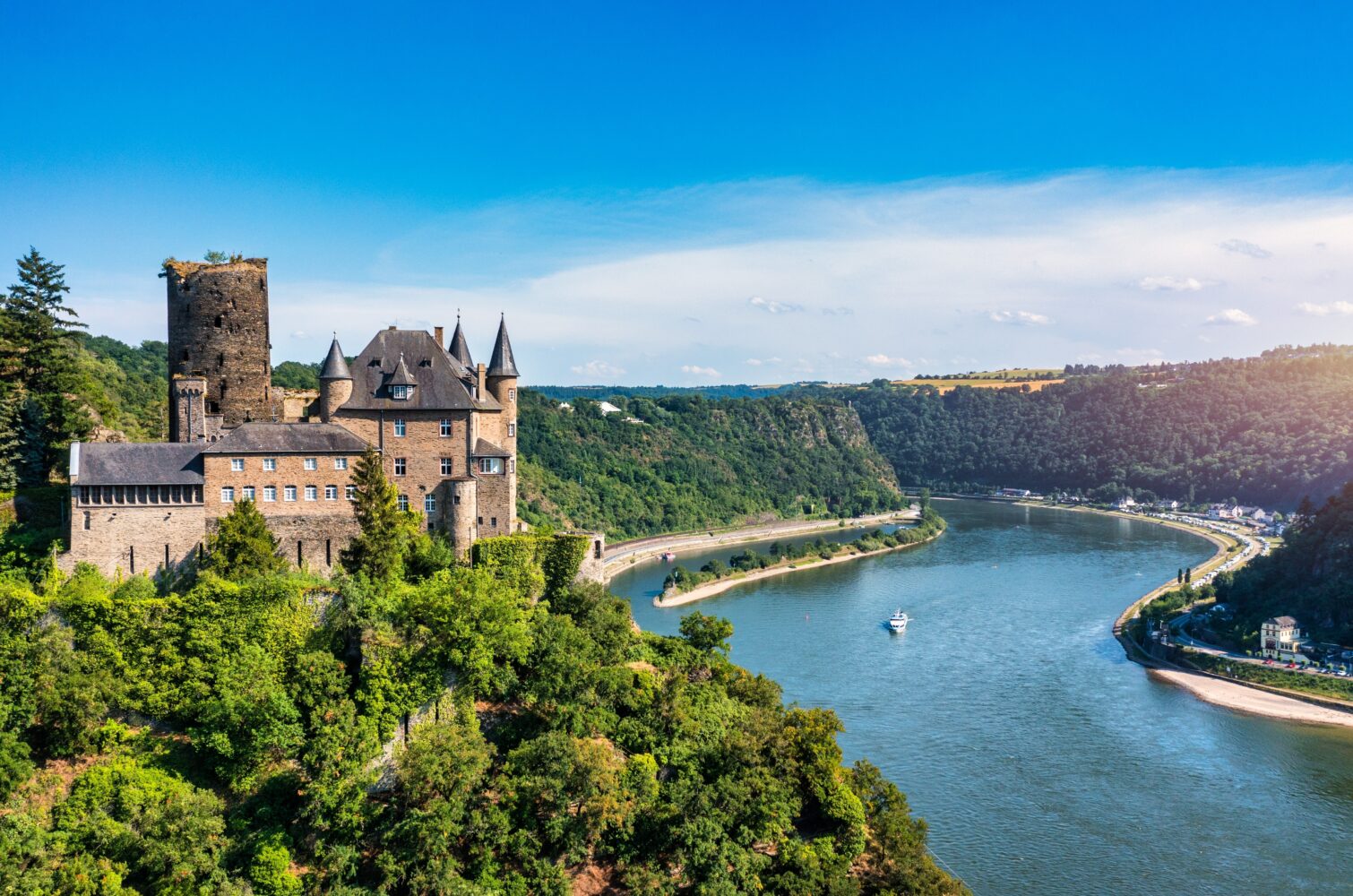
Few journeys rival the drama of the Rhine River. This is where Germany’s wine story unfolds in cinematic fashion: terraced vineyards, Gothic spires, and more than 40 castles lining the UNESCO-listed gorge. The Rhine is home to the legendary Rheingau, where the country’s most refined Rieslings thrive. The river’s unusual geography—wide, reflective stretches that trap heat—creates ideal conditions for ripening grapes.
What to drink
- Crisp, mineral-driven Riesling
- Elegant Pinot Noir (Spätburgunder)
- Occasional sparkling wines
Where you’ll stop
Expect postcard-perfect calls in Rüdesheim and Cologne, along with excursions into vineyard-covered hills.
AmaWaterways itineraries like the Enchanting Rhine and Captivating Rhine weave these experiences together with tastings, hikes, and sommelier-led dinners onboard.
The Moselle Valley: Steep Slopes, Sublime Wines
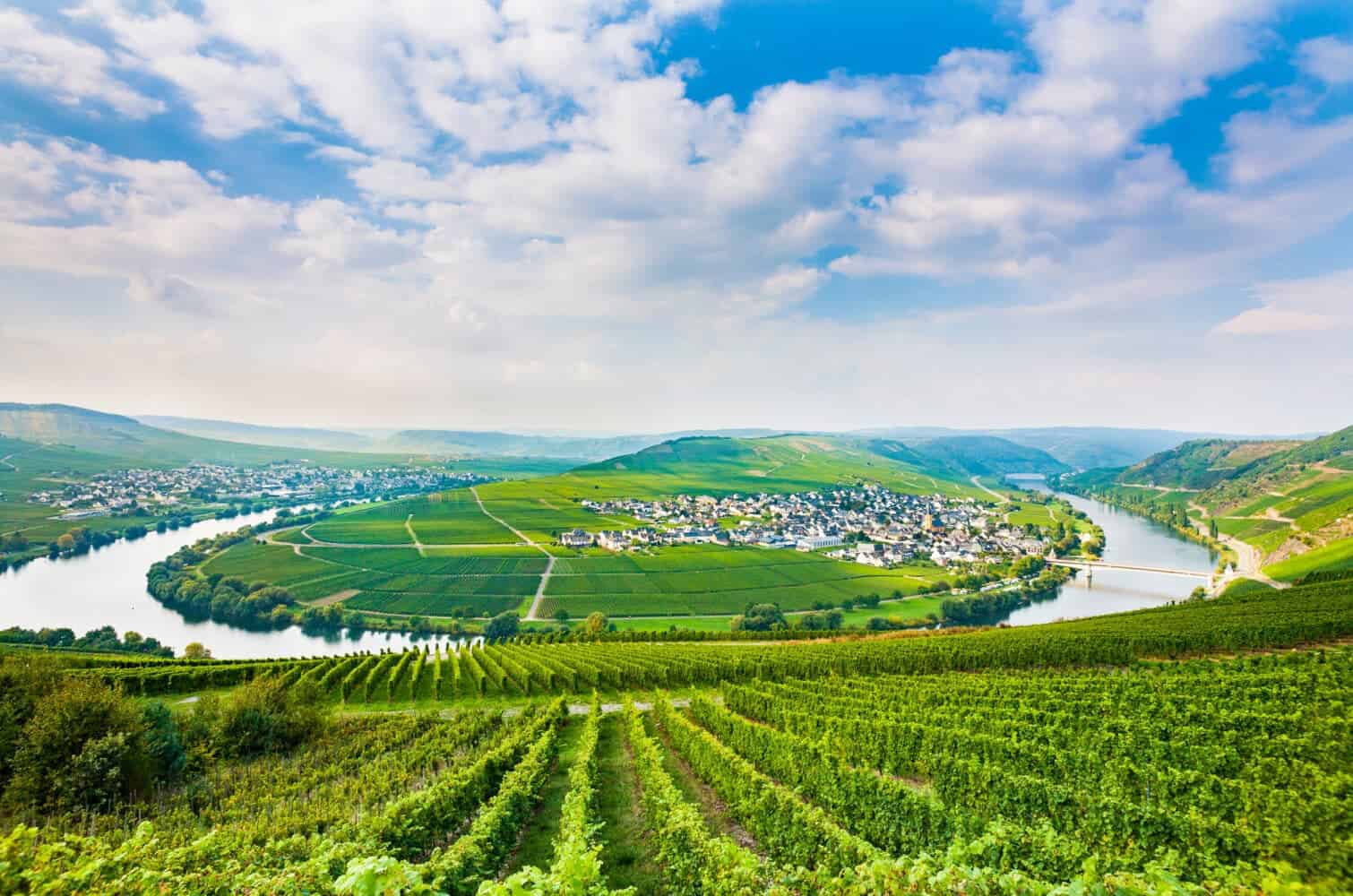
If the Rhine is theatrical, the Moselle River is poetic. Its impossibly steep vineyards produce some of the most delicate and age-worthy wines in the world. The Moselle’s slate soils and cool climate yield Rieslings with electric acidity and low alcohol—arguably the purest expression of the grape anywhere.
- What to drink
- Off-dry and sweet Rieslings
- Late-harvest (Spätlese) wines
- Rare ice wines (Eiswein)
Where you’ll stop
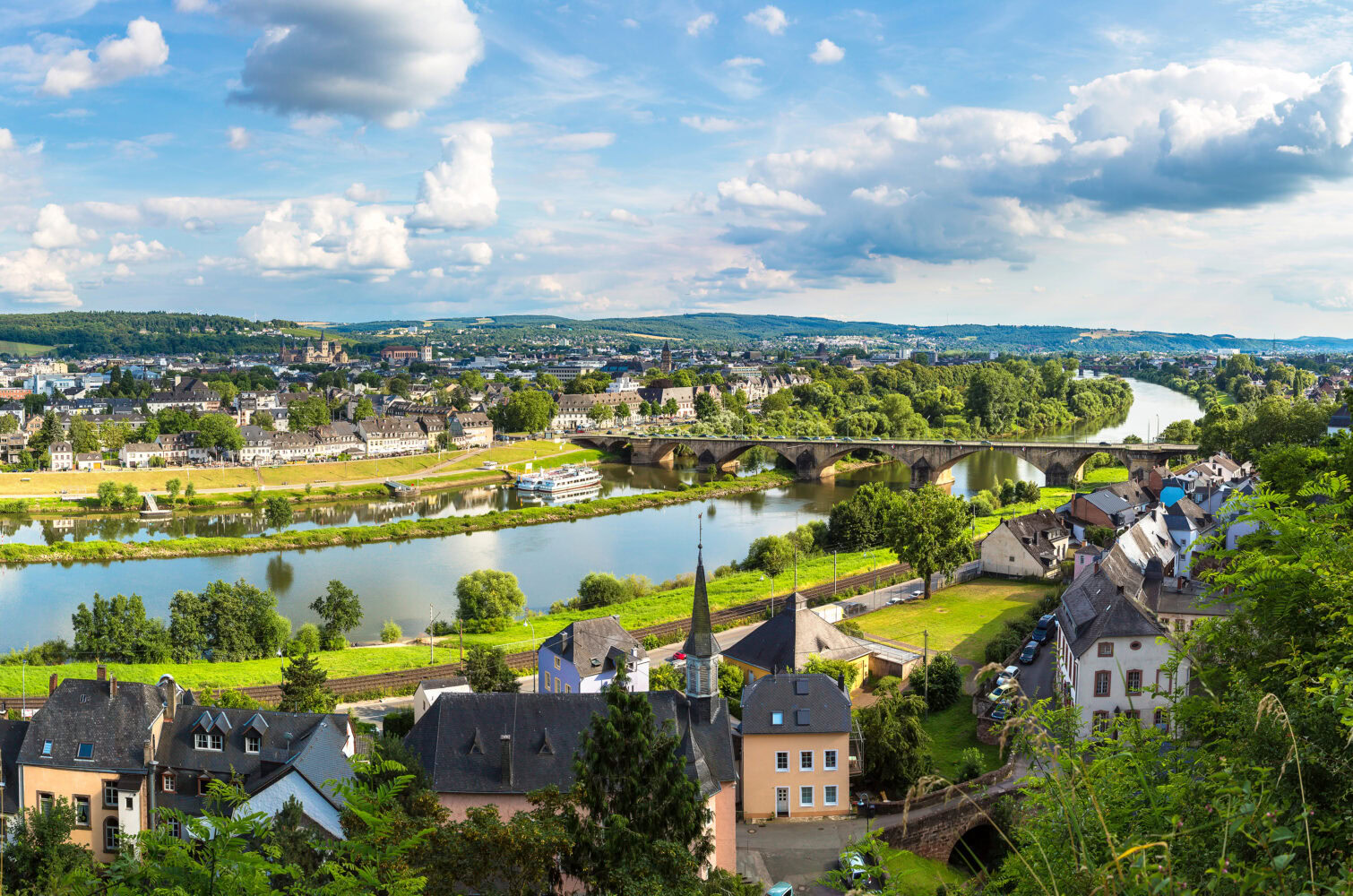
Villages like Bernkastel-Kues and Cochem feel untouched by time, their half-timbered houses framing intimate wine taverns.
AmaWaterways’ Rhine & Moselle Delights itinerary dives deep into this region, combining vineyard hikes, castle visits, and cellar tastings.
The Pfalz: Germany’s Sunniest Secret
Often overlooked by first-time visitors, the Pfalz is a rising star—and a favorite among insiders. Protected by the Haardt Mountains, Pfalz enjoys one of Germany’s warmest climates, producing fuller-bodied wines that feel almost Mediterranean in style.
What to drink
- Dry Riesling
- Silvaner
- Pinot varieties (especially Pinot Blanc and Pinot Gris)
The experience
Think vineyard cycling routes, rustic wine festivals, and long alfresco lunches. It’s less formal than the Rhine, more relaxed—ideal for travelers seeking authenticity with a dash of indulgence.
Baden: Burgundy’s German Cousin
Stretching along the Black Forest, Baden is Germany’s warmest and most diverse wine region. Baden specializes in Burgundian grapes, producing some of the country’s finest Pinot Noir.
What to drink
- Spätburgunder (Pinot Noir)
- Grauburgunder (Pinot Gris)
- Weissburgunder (Pinot Blanc)
Where you’ll stop
Excursions from Freiburg often include vineyard visits and tastings paired with regional cuisine.
AmaWaterways includes Baden in select Rhine itineraries, blending wine with cultural highlights across Germany and neighboring France.
Franconia: Where Tradition Meets Precision
In Franconia (Franken), wine is as much about heritage as flavor. Known for its distinctive flattened bottles (Bocksbeutel), this region focuses on precision and terroir-driven wines.
What to drink
- Silvaner (the regional star)
- Müller-Thurgau
- Dry, structured whites
The vibe
Less touristy, more introspective. It’s a connoisseur’s region—perfect for travelers who prefer substance over spectacle.
Alsace (France): A Perfect Pairing
While technically across the border in France, Alsace is inseparable from the Rhine wine experience.
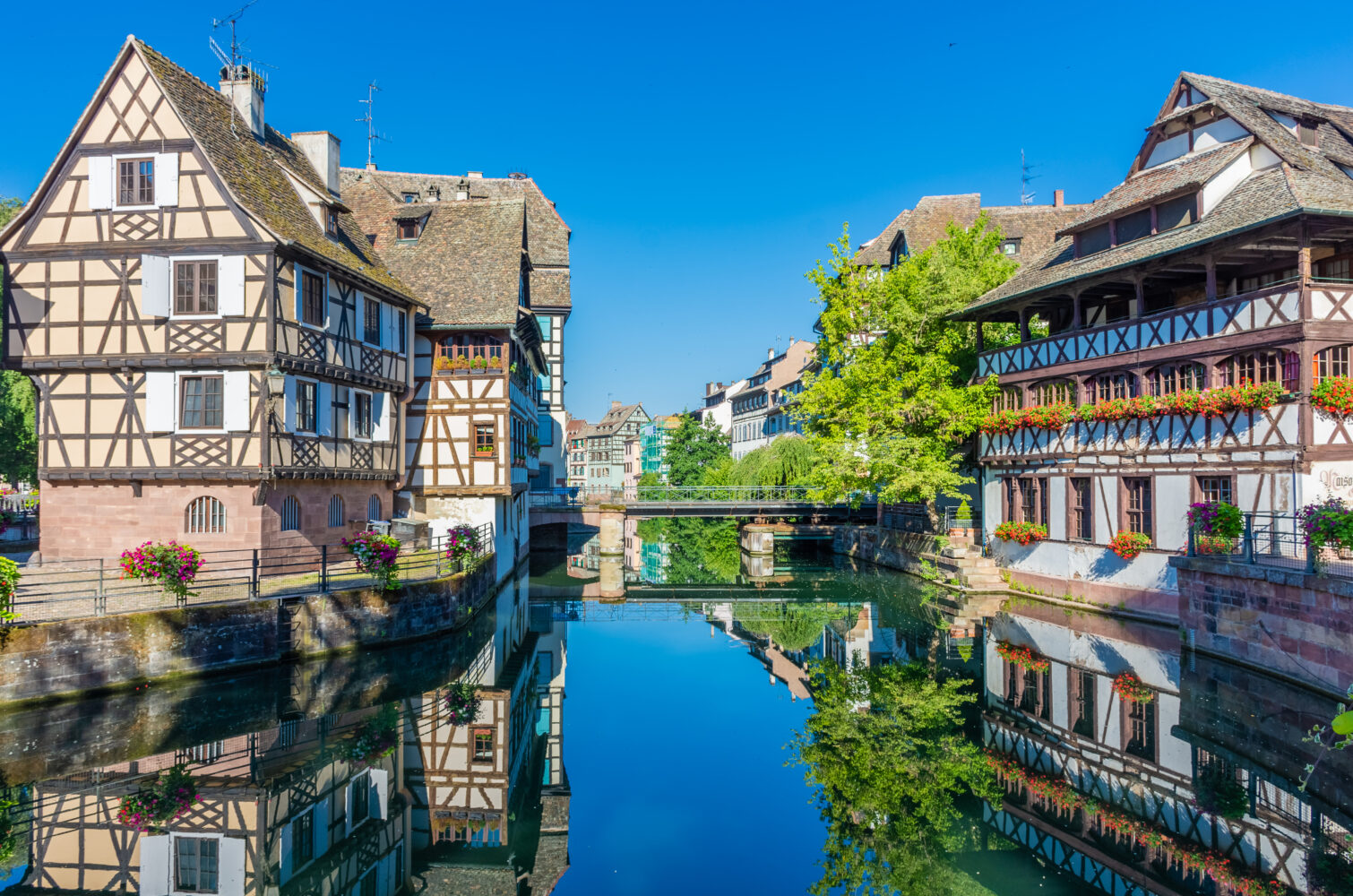
AmaWaterways itineraries often include stops in Strasbourg and Riquewihr, where aromatic whites—Riesling, Gewürztraminer—offer a fascinating contrast to German styles.
Why AmaWaterways Elevates the Experience
Luxury travel today is about access—and AmaWaterways delivers it in spades.
Onboard, you’ll find:
- Expert wine hosts guiding tastings and discussions
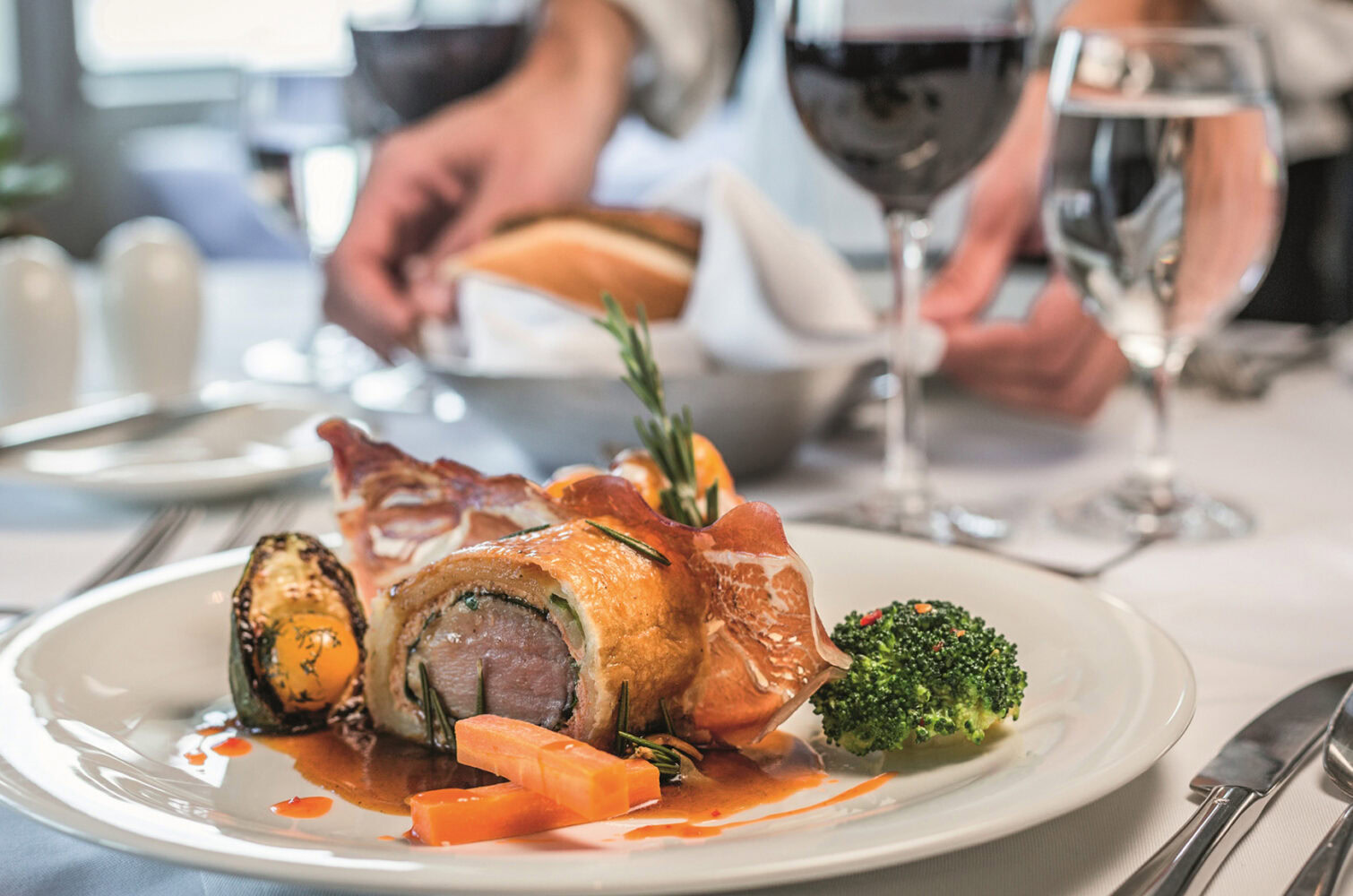
- Curated food and wine pairings
- Shore excursions to historic vineyards and cellars
These wine cruises are designed as immersive journeys, allowing guests to compare Old World European wines with New World selections brought onboard.
And the pace? Effortlessly elegant. You might spend the morning cycling through vineyards, the afternoon tasting Riesling in a centuries-old cellar, and the evening dining on regionally inspired cuisine as castles drift past your window.
Ready to sip your way through Germany’s most iconic wine regions?
Call us now at 888-717-5074 to plan your AmaWaterways luxury wine cruise and secure your preferred sailing. Availability is limited for premium departures—don’t wait.
Book Your Amawaterways Cruise
Frequently Asked Questions (FAQs)
Q: What is the best wine region in Germany?
A: The Rheingau along the Rhine River is often considered the most prestigious, especially for Riesling. However, the Moselle offers equally exceptional wines with a lighter, more delicate profile.
Q: When is the best time to visit German wine regions?
A: Late spring (May–June) and early autumn (September–October) are ideal. Harvest season in autumn offers vibrant vineyard activity and wine festivals.
Q: Are AmaWaterways wine cruises suitable for beginners?
A: Yes. Tastings are guided by experts, making them accessible for both novices and seasoned collectors.
Q: What wines is Germany most famous for?
A: Germany is globally renowned for Riesling, but also produces excellent Pinot Noir (Spätburgunder) and a range of aromatic whites.
Q: Do AmaWaterways cruises include vineyard visits?
A: Yes. Many itineraries include guided excursions to vineyards, historic cellars, and wine tastings led by professionals.
